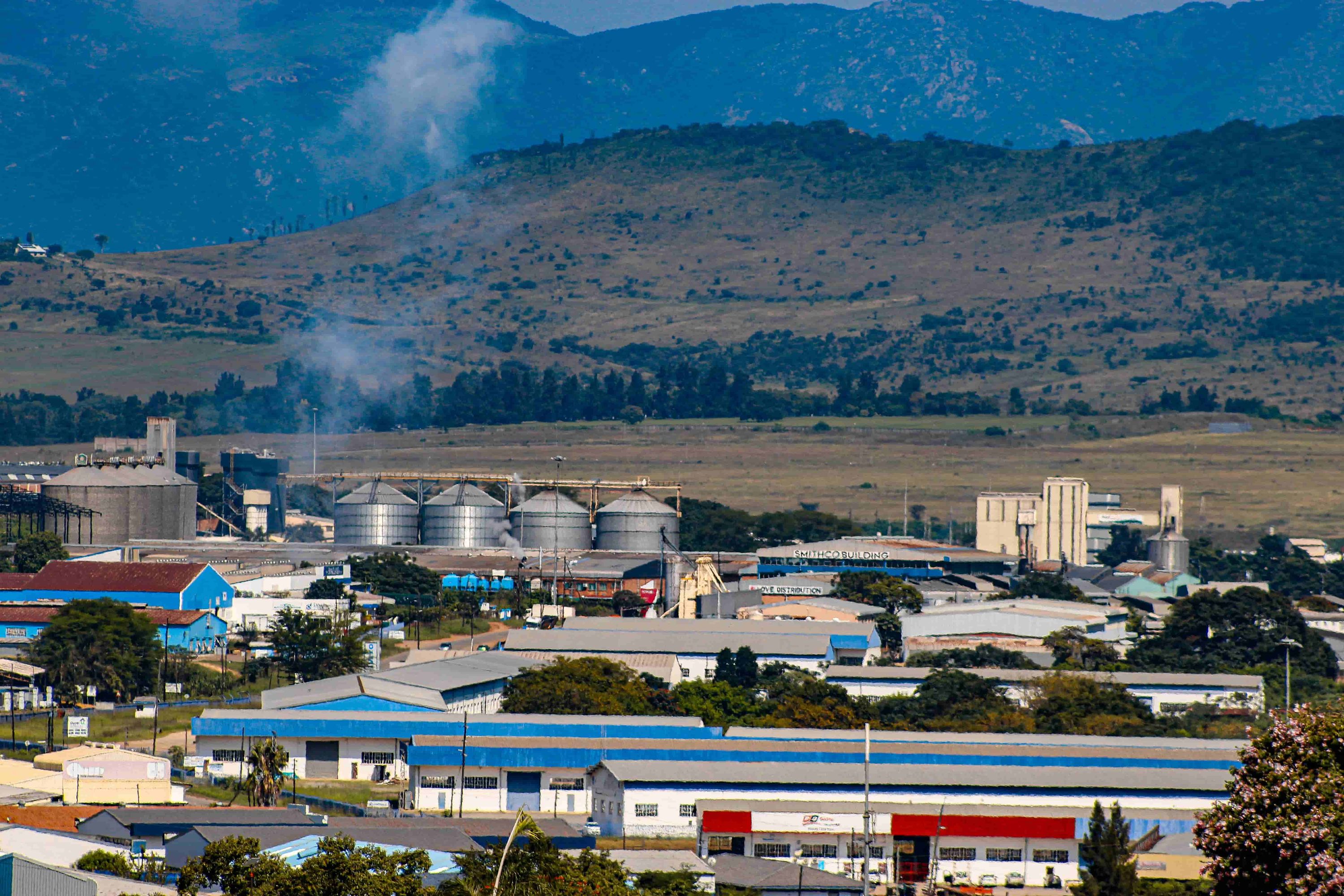
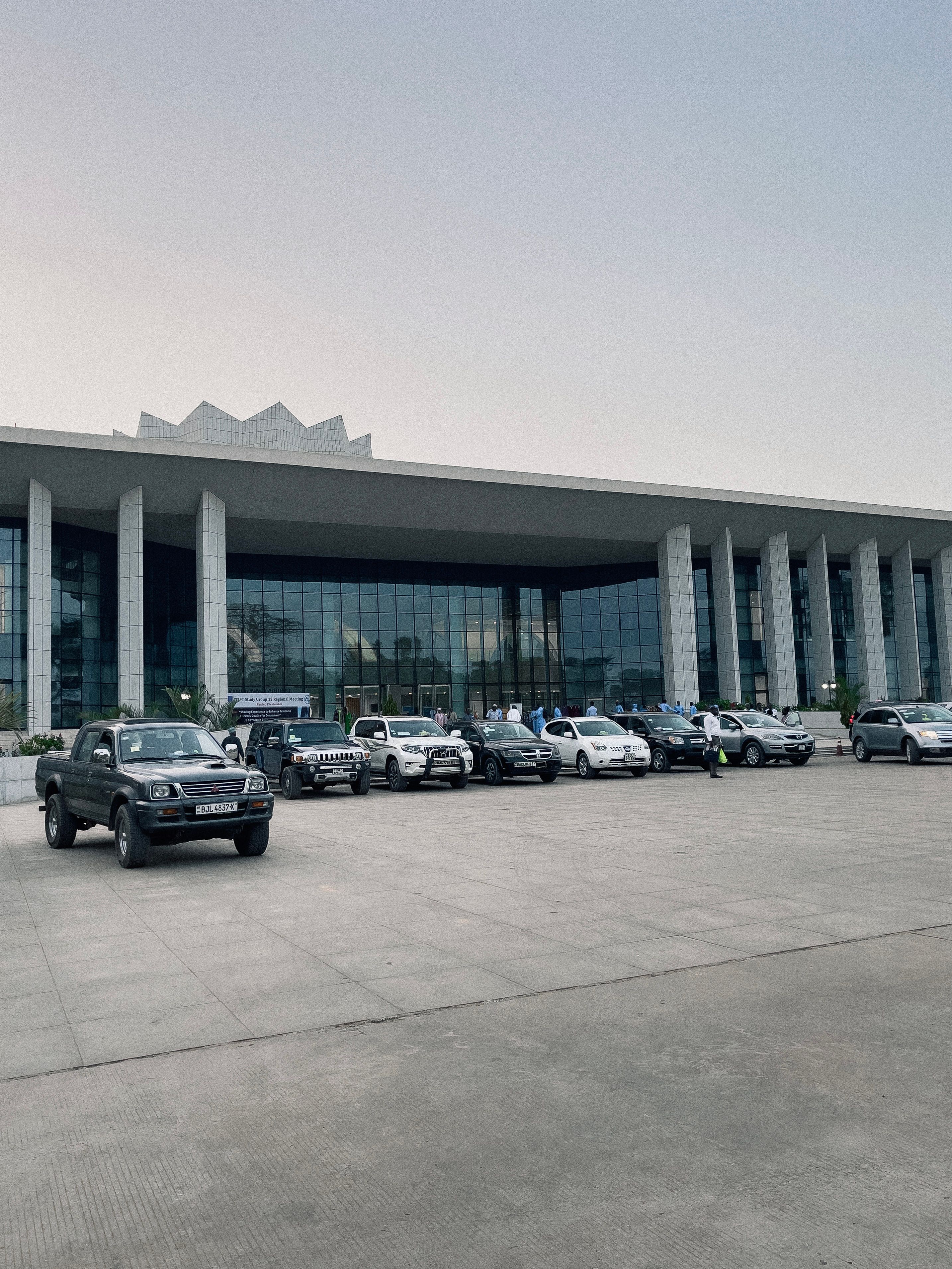
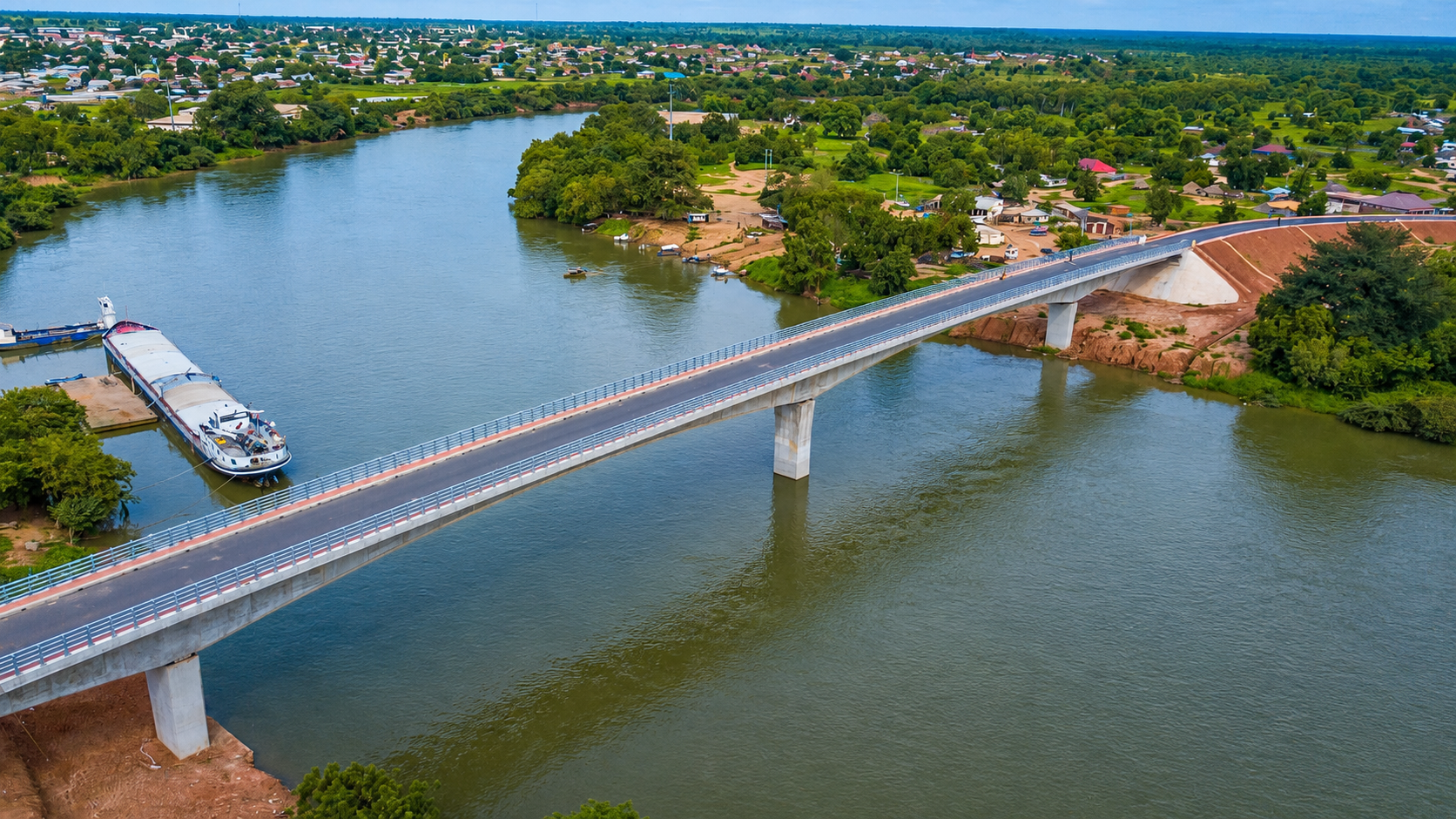
The Gambia has been ranked as Africa's 10th most prosperous nation in the Atlantic Council’s 2026 Prosperity Index. The index placed The Gambia 74th globally with a score of 67.2 from What's On Gambia, positioning it among the top-performing African countries. The Atlantic Council’s 2026 Atlas bases its Freedom and Prosperity Index on 30 years of data covering political, economic, and legal developments, emphasizing fair institutions and individual liberties as foundations for lasting prosperity from What's On Gambia.
This ranking places The Gambia behind countries such as Seychelles, Cape Verde, Mauritius, Ghana, South Africa, Botswana, Namibia, Senegal, and Lesotho within Africa from What's On Gambia. The recognition is linked to reported progress in areas including governance, social inclusion, and democratic reforms from What's On Gambia.
Global context: measuring growth and prosperity
This achievement for The Gambia signals a broader trend of African nations making strides in economic and social development. International indices like the Atlantic Council’s Prosperity Index track political, economic, and legal factors to provide a comprehensive view of a nation's well-being. Such rankings are used by investors, policymakers, and international bodies to assess stability and opportunity across regions.
The World Bank Group’s analyses of The Gambia align with the pursuit of such prosperity, highlighting economic growth rates and the need for structural reforms. For instance, economic growth in The Gambia rose from 5.6% in 2024 to an estimated 5.9% in 2025 from World Bank Gambia. This growth is driven by agriculture, industry, and services, with tourism showing recovery and remittances supporting household incomes from World Bank Gambia.
The Gambian Angle: navigating statistics and daily realities
The news of The Gambia’s top 10 ranking significantly affects its national image and political narrative. The Atlantic Council's recognition, attributed to progress in governance, social inclusion, and democratic reforms, can enhance the country’s international standing and potentially attract further investment. This positive re-imagining on the global stage offers an opportunity for The Gambia to leverage its improved image to secure partnerships and funding for continued development.
However, this statistical prosperity contrasts sharply with many Gambians' daily concerns. Issues like the cost of living, unemployment, electricity supply, healthcare, and opportunities for young people remain pressing from What's On Gambia. The question for many citizens is whether this reported progress translates into tangible improvements in their homes, markets, schools, and workplaces from What's On Gambia. This highlights a crucial challenge for the government: to ensure that macroeconomic achievements genuinely impact the lives of ordinary people.
Specific areas to watch include the government's efforts to translate economic growth into job creation. Despite a decline in extreme poverty from 21.5% to 20.3%, 81% of workers remain in the informal sector, and 41.3% of youth aged 15–34 are not in employment, education, or training from World Bank Gambia. Franklin Mutahakana, World Bank Group Resident Representative for The Gambia, stated that “sustaining and building on this progress means seizing the structural opportunities that these reports clearly identify — accelerating job creation, strengthening domestic revenues, and building a more inclusive economy where women and young people can fully contribute” from World Bank Gambia. Progress in these specific areas will be critical to bridging the gap between statistical prosperity and lived experience.
Further challenges and opportunities for The Gambia include fiscal reforms and climate resilience. Tax revenue averaged only 10.3% of GDP from 2017 to 2024, below the 15% benchmark needed to support basic government functions from World Bank Gambia. Closing tax gaps could unlock 3–4% of GDP in revenue, creating fiscal space for infrastructure, services, and jobs from World Bank Gambia. Additionally, climate change poses risks, with potential GDP losses ranging from 9.3% to 2.6% by mid-century, necessitating targeted resilience-building investments from World Bank Gambia. These financial and environmental considerations directly affect The Gambia’s ability to sustain its newfound prosperity and improve living conditions for its population.
Sources
- World Bank Gambia: "Charting a Path to Stronger Growth, Fiscal Resilience, and Women's Economic Participation in The Gambia" (World Bank)
- World Bank Gambia: "The Gambia Country Climate and Development Report" (World Bank)
- What's On Gambia: "The Gambia Ranked Among Africa’s Top 10 Most Prosperous Nations in 2026" (What's On Gambia)
Further viewing & sources
Did this land?
React & rate
More by
The Oracle
Reader reviews
Reader reviews
0 reviewsSign in to leave a review.
No reader reviews yet. Be the first.