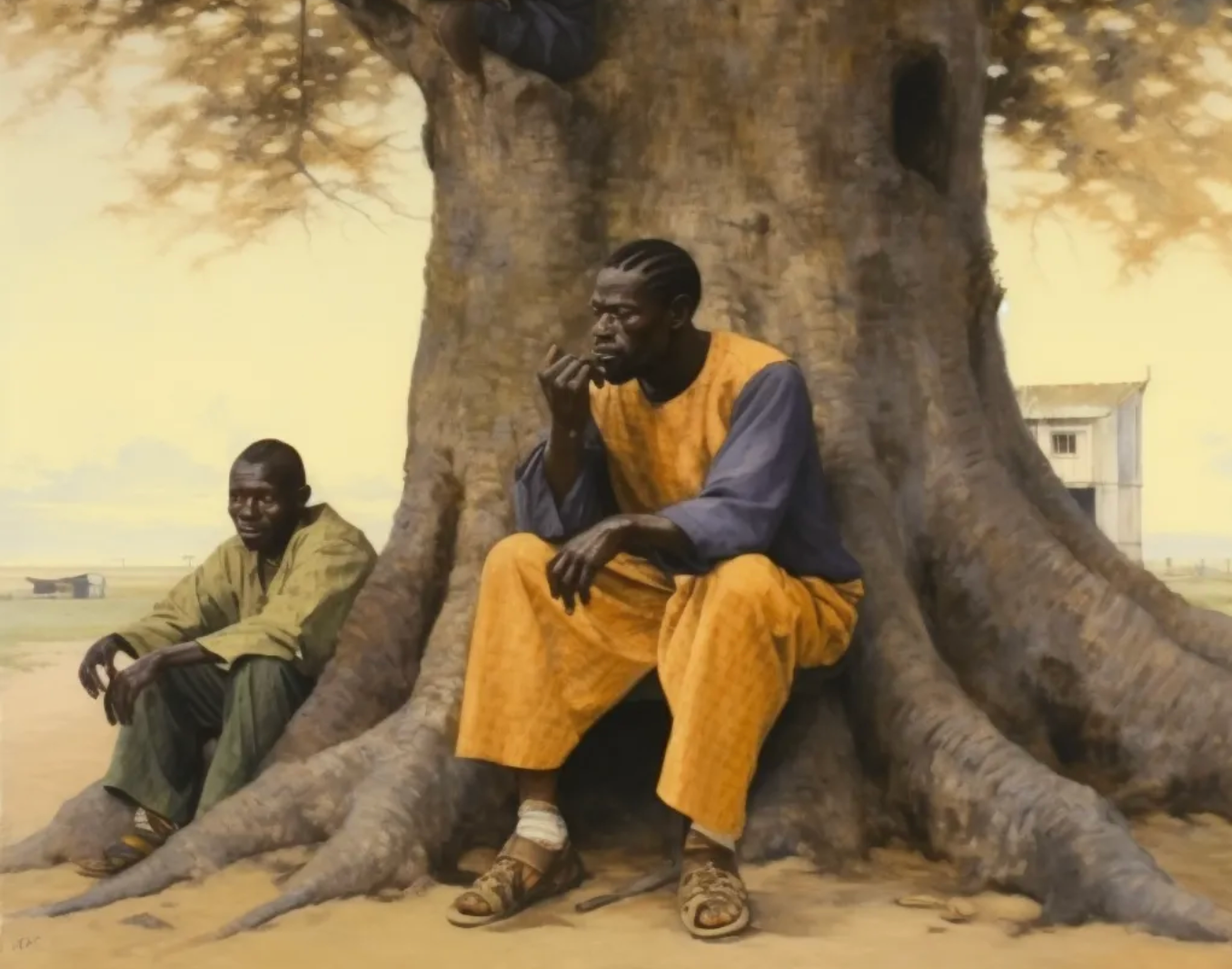
The Gambia is small on the map and loud in spirit. A sliver of country wrapped around its river, home to roughly 2.7 million people, eight major languages, and a culture that's been shaped by Mandinka, Wolof, Fula, Jola, Serahule, Serer and Aku traditions long before colonial borders were drawn. Visitors call it the "Smiling Coast." Gambians know it's more than a slogan — it's a posture. Warmth here is a civic duty.
This guide is for anyone trying to understand how that warmth actually works in practice: what to say, what to wear, when to eat with your hand, when to stay quiet, and the unwritten rules nobody hands you at the airport.
What is Gambian culture, in one paragraph?
Gambian culture is a blend of West African Sahel traditions, Islamic practice (about 96% of the country is Muslim), and the easy, river-mouth cosmopolitanism that comes from being a coastal trading nation. It runs on extended family, communal eating, layered greetings, music, oral history, religious tolerance, and a deep respect for elders. It is not formal in the European sense — it is relational. Things happen because of who you know, who greeted whom, and who took time to sit.
Greetings come first. Always.
You do not walk into a room and start talking. You greet.
- Salaam alaikum ("peace be upon you") is the standard opening across communities, religious or not. The response is wa alaikum salaam.
- In Mandinka: i be ñaadi? ("how are you?") — answer m be jee ("I'm here").
- In Wolof: nanga def? — answer maa ngi fi rekk ("I'm just here").
- In Fula: no mbadda? — answer jam tun ("peace only").
Greetings stack. You ask after the person, then their family, then their work, then the day itself. Rushing this is rude. Even at a market stall, the right move is to greet the seller before you point at the mangoes.
Handshakes are common between men. Between men and women, follow the woman's lead — some will shake, some will place a hand on their chest as a respectful alternative, particularly in observant Muslim contexts. A right-hand handshake with the left hand lightly touching your own right forearm is a sign of extra respect, especially toward elders.
The hand rules: right is right
The right hand does almost everything social: shaking, giving, receiving, eating. The left hand is reserved for personal hygiene and is considered unclean for shared use. Hand someone money or a phone with your right hand. Eat from a shared bowl with your right hand. If you're left-handed, no one will be offended that you exist — just be conscious in shared settings.
Eating: the bowl is the table
Most Gambian meals are eaten from a single large communal bowl, set on a mat on the floor. The classic spread is benachin (jollof rice cooked in one pot with fish or meat), domoda (groundnut stew), superkanja (okra stew with smoked fish and palm oil), yassa (onion-and-mustard chicken or fish), or chereh (steamed millet couscous).
Etiquette at the bowl:
- Wash your hands before sitting. A bowl or kettle of water is usually passed around.
- Eat from the wedge directly in front of you. Reaching across is impolite.
- The host or eldest will often push the best pieces of fish or meat toward guests and children. Accept them.
- Don't lick your fingers loudly or talk with your mouth full.
- When you're full, say m faata (Mandinka) or suur naa (Wolof) — "I'm satisfied." Saying you are full is a compliment to the cook.
- Leftover food in your wedge is fine. Cleaning the whole bowl is unnecessary and a little greedy.
If you are offered food and you've already eaten, take a few bites anyway. Refusing food outright reads as refusing the relationship.
Attaya: the three-glass ceremony
If someone invites you to drink attaya — small glasses of strong, foamy green tea — clear your schedule. It is brewed in three rounds, each with a different character:
- Bitter as death — strong, sharp, the first impression.
- Sweet as life — softer, more sugar, the middle.
- Gentle as friendship — the lightest, the longest conversation.
The whole ritual takes one to three hours. That is the point. Attaya is the engine of Gambian social life: friends, neighbours, future in-laws, business partners, journalists chasing a story — all of it happens around the brazier.
Dress: modest, colourful, intentional
Gambians dress well. Even on a hot Tuesday in Serrekunda, people show up with ironed clothes and clean shoes. For visitors, the simple rules:
- Cover shoulders and knees in towns, villages, mosques, government offices and family compounds. Beach resorts are more relaxed; the country at large is not the beach.
- Women wear a mussor (headwrap) for mosque visits, funerals, naming ceremonies and formal calls on elders. Carry a light scarf and you'll always be ready.
- Men wear a kaftan or shirt with trousers for serious occasions. Shorts are for the beach or sport, not for visiting an elder.
- Friday is unofficially dress-up day. Expect bright damask, hand-dyed indigo, embroidered boubous and headwraps that double as architecture.
Compliment people on their clothes. It lands well and it's true.
Religion: Islam first, but never only
About 96% of Gambians are Muslim, mostly Sunni with strong Sufi (Tijaniyya and Qadiriyya) influence. Around 4% are Christian, mostly Catholic and Methodist, concentrated in Banjul, the Kombos, and Aku families. Traditional beliefs braid quietly into both — naming ceremonies, libations, marabout consultations, herbal medicine.
What that looks like day to day:
- The call to prayer sounds five times a day. Shops pause, conversations soften, people step out to pray. Wait it out. Don't try to push a transaction through.
- Friday Jumu'ah prayer (around 1.30 pm) effectively shuts down business for an hour or two. Schedule around it.
- Ramadan rearranges the country. Working hours shrink, restaurants in Muslim neighbourhoods close until sunset, and tempers stretch in the late afternoon. Eat and drink discreetly out of respect. Iftar invitations are common — accept them.
- Tobaski (Eid al-Adha) and Koriteh (Eid al-Fitr) are the biggest holidays of the year. Expect new clothes, sheep, visiting, music, and a complete pause to anything resembling business.
Christmas and Easter are celebrated openly, often with Muslim neighbours dropping by to greet. Religious tolerance here is not an idea — it's a habit.
Elders, titles and the order of things
Age outranks almost everything. Greet the eldest person in the room first. Stand when an elder enters. Lower your voice. Don't interrupt. If you're handed something by an older person, receive it with both hands or with your right hand and a slight bow of the head.
A few honorifics worth knowing:
- Alhaji / Hajia — a man or woman who has performed the hajj. Use it.
- Pa and Ma — affectionate, respectful "father" and "mother" for older people, even those you've just met.
- Imam, Marabout, Reverend, Pastor — religious leaders. Use the title.
- Honourable for sitting parliamentarians. Excellency for the President, ambassadors and former heads of state.
Family: it's bigger than you think
"Brother" and "sister" in Gambia often mean cousin, half-sibling, family friend, or someone from the same village. The extended family — the kabilo — is the basic economic unit, not the nuclear household. Money flows in both directions: remittances from Banjul or Birmingham to the village, harvest from the village to town.
This shapes everything from wedding logistics to who feels entitled to ask you for a favour. If you marry into a family, you marry the family. If you employ one person from a compound, you have a relationship with the compound.
Naming ceremonies, weddings, funerals
These are the three events that organise Gambian social life.
- Naming ceremonies (ngenté) happen on the eighth day after a baby is born. The child is named, blessed, and shaved. Guests bring small money gifts (salibo) and eat together. If you're invited, go.
- Weddings stretch over days: religious ceremony, family visits, the gamou (celebration night), gift exchange. Brides often change outfits multiple times. Gifts of cash in a folded envelope are standard.
- Funerals are immediate — burial within 24 hours under Islamic practice — followed by visiting periods (the third day, the seventh, the fortieth). Wear modest, dark clothing. Bring a small contribution toward funeral expenses. Sit. Listen. Say little.
Joking cousins: the rudest love language in West Africa
If you hear a Jola loudly insult a Serer, or a Fula tell a Sarahule he's a thief, do not call the police. You are watching dëndëngal (Wolof) or kal (Mandinka) — the joking-cousin relationship. Certain ethnic groups, surnames and villages are bound by a centuries-old tradition of ritualised insults. It defuses tension, binds communities, and is genuinely funny if you know the rules. The shortest version: certain surnames are "cousins" and are expected to roast each other on sight. Outsiders should watch, laugh, and not improvise.
Music, dance, oral history
The griot (jali in Mandinka) is the keeper of family history, praise singer, mediator, and walking archive. A griot at your event is a compliment to the family's standing. The kora (21-string harp-lute), balafon (wooden xylophone) and sabar drums underpin most ceremonies. Modern Gambian music — afro-manding, mbalax, hip-hop, gospel, reggae — lives in the same lineage.
If a sabar circle starts and someone gestures for you to dance, get up. Doing it badly is fine. Refusing is colder than the dancing could ever be.
Money, gifts, "small thing"
Gifts move constantly. A bag of rice for a family you're staying with. Salibo at a naming ceremony. A small envelope at a wedding. Sweets for the children of any compound you visit regularly. None of it is bribery — it's the maintenance fee of being in relationship.
Tipping in restaurants is appreciated but not obligatory (round up, or 10%). Taxi fares are negotiated before the ride, not after. If a guide, driver or fixer goes above and beyond, a small cash thank-you on top of the agreed fee is normal and welcome.
Things to avoid
- Don't photograph people, mosques, military or government buildings without asking. Especially not children.
- Don't discuss the President or sensitive politics loudly in public. Gambians will, freely, with people they trust — but you are not yet that person.
- Don't show public affection between couples. Hand-holding between same-sex friends is platonic and common; romantic affection in public is not.
- Don't get drunk in town. Alcohol is sold and tolerated, especially in tourist areas, but visible drunkenness reads as undignified.
- Don't joke about religion. Joke with religious people, gently, and only after they've cracked the first joke.
- Don't haggle aggressively over food a woman has cooked. Haggle over crafts and clothes, not over the auntie's bowl of attaya.
Things that always work
- Learn five words in the local language. Even badly pronounced, it changes every interaction.
- Sit down. Most problems in Gambia get solved by someone deciding to sit for an extra ten minutes.
- Greet the children. Compliment a baby (and add mashallah so you don't seem to be admiring without blessing).
- Bring kola nuts, dates, or a bag of sugar when you visit an elder. They are old-fashioned, cheap, and exactly right.
- Show up to the ceremony. Showing up is 90% of belonging.
Further listening
Most of what's in this guide is the kind of thing Gambians teach each other through stories, jokes and corrections at the dinner bowl. If you want to keep learning, the DD+ network covers a lot of this ground in long-form conversation — start with Campeh Jambarr for tradition and heritage, Upon Reflection for the philosophy underneath the customs, and Hot in the City for how all of it is mutating in modern Banjul.
Welcome to The Gambia. Greet first.
Did this land?
React & rate
More by
From The Desk
Reader reviews
Reader reviews
0 reviewsSign in to leave a review.
No reader reviews yet. Be the first.