As Gambians demand accountability for ongoing national grid failures, Africa's booming battery rental market and major investments in domestic energy storage are offering a decentralized business solution to the region's power crisis.
Despite the National Water and Electricity Company (NAWEC) receiving massive international funding—including an $84 million World Bank grant and a $23 million European network project—Gambian households and businesses remain plagued by unreliable electricity. In response to similar grid failures across the continent, consumers in markets from South Africa to Nigeria are rapidly adopting battery rental subscriptions to bypass the steep upfront costs of generators and solar systems. Fueling this off-grid storage expansion, the Africa Export-Import Bank (Afreximbank) just announced a $125 million investment in electric mobility firm Spiro, accelerating a push to manufacture batteries locally rather than exporting raw minerals overseas.
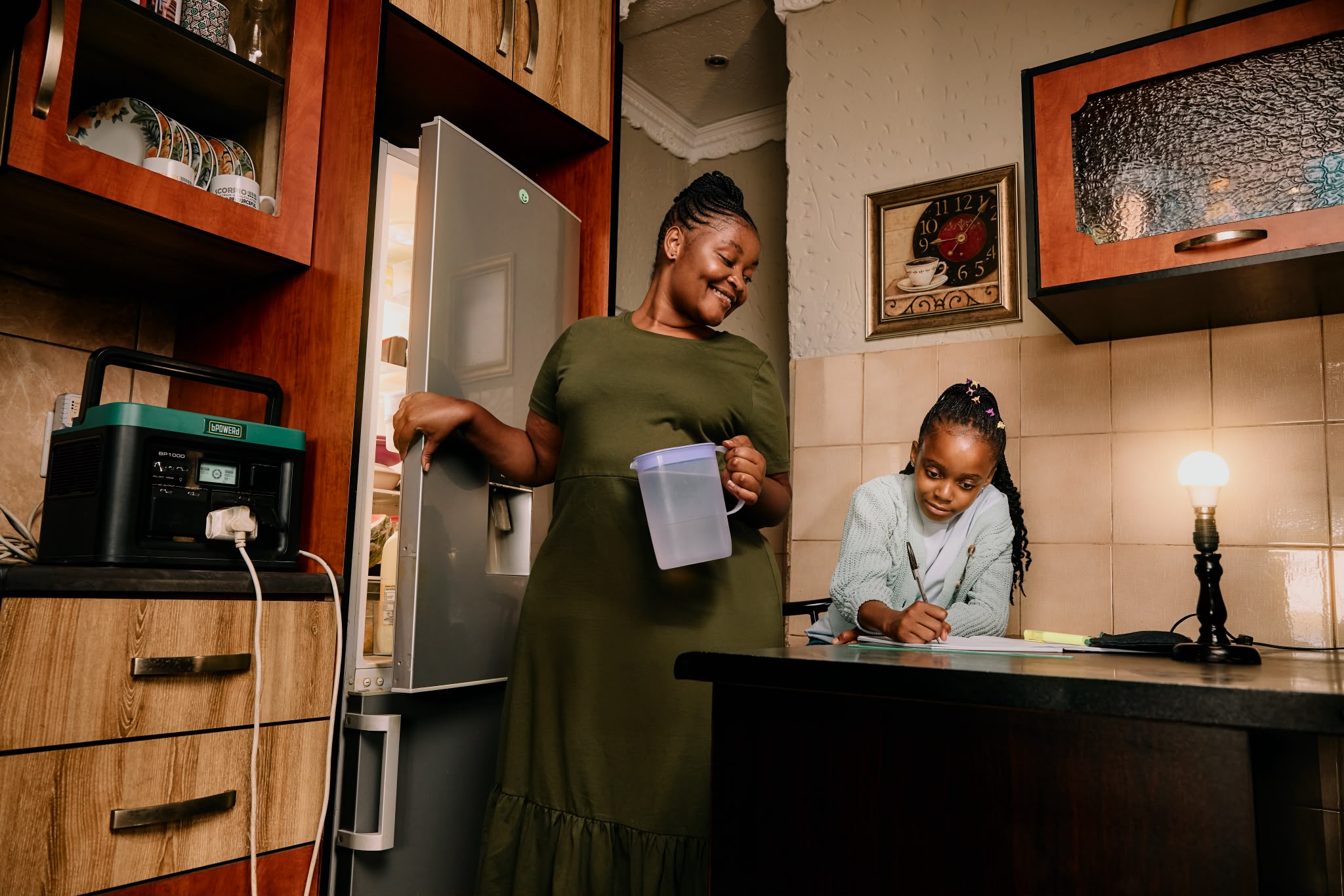
The contrast between centralized utility failures and decentralized energy solutions is stark. In The Gambia, officials recently dismissed public anger over blackouts as "manufactured outrage," further frustrating citizens losing money to spoiled goods and stalled businesses. But other African markets are already pivoting to specialized private alternatives. Startups like bPOWERd in South Africa are shifting backup power entirely to a service-based model. Purchasing inverters and solar arrays traditionally costs consumers between R8,000 ($488) and R150,000 ($9,154)—a capital barrier that battery rentals eradicate. Noting the massive unfulfilled demand for electricity, bPOWERd’s Head of Country Operations Thandekile Madikane stated from TechCabal, "What was missing was a way to access it without the enormous barrier of ownership."
This structural pivot toward distributed energy access dovetails with Afreximbank’s strategy to capitalize on Africa’s critical mineral wealth. The continent holds an estimated 26.7 million tonnes of identified lithium resources and is projected to account for nearly 15% of global lithium production by 2028. Afreximbank President George Elombi announced the bank will no longer finance projects that strictly export raw materials, insisting that manufacturers must from TechCabal "begin to process at home." By localizing battery production and deploying pay-as-you-go energy storage, investors have a clear roadmap to commercialize reliable power, completely bypassing the legacy utility grids that continue to fail consumers daily.
Read the full story →TechCabalFurther viewing & sources
Did this land?
React & rate
More by
The Oracle
Reader reviews
Reader reviews
0 reviewsSign in to leave a review.
No reader reviews yet. Be the first.