The arrival of Africa's wealthiest industrialist, Aliko Dangote, in Banjul for the African Caucus 2026 turns a finance ministers' meeting into a rare, direct pitch for Gambian investment.
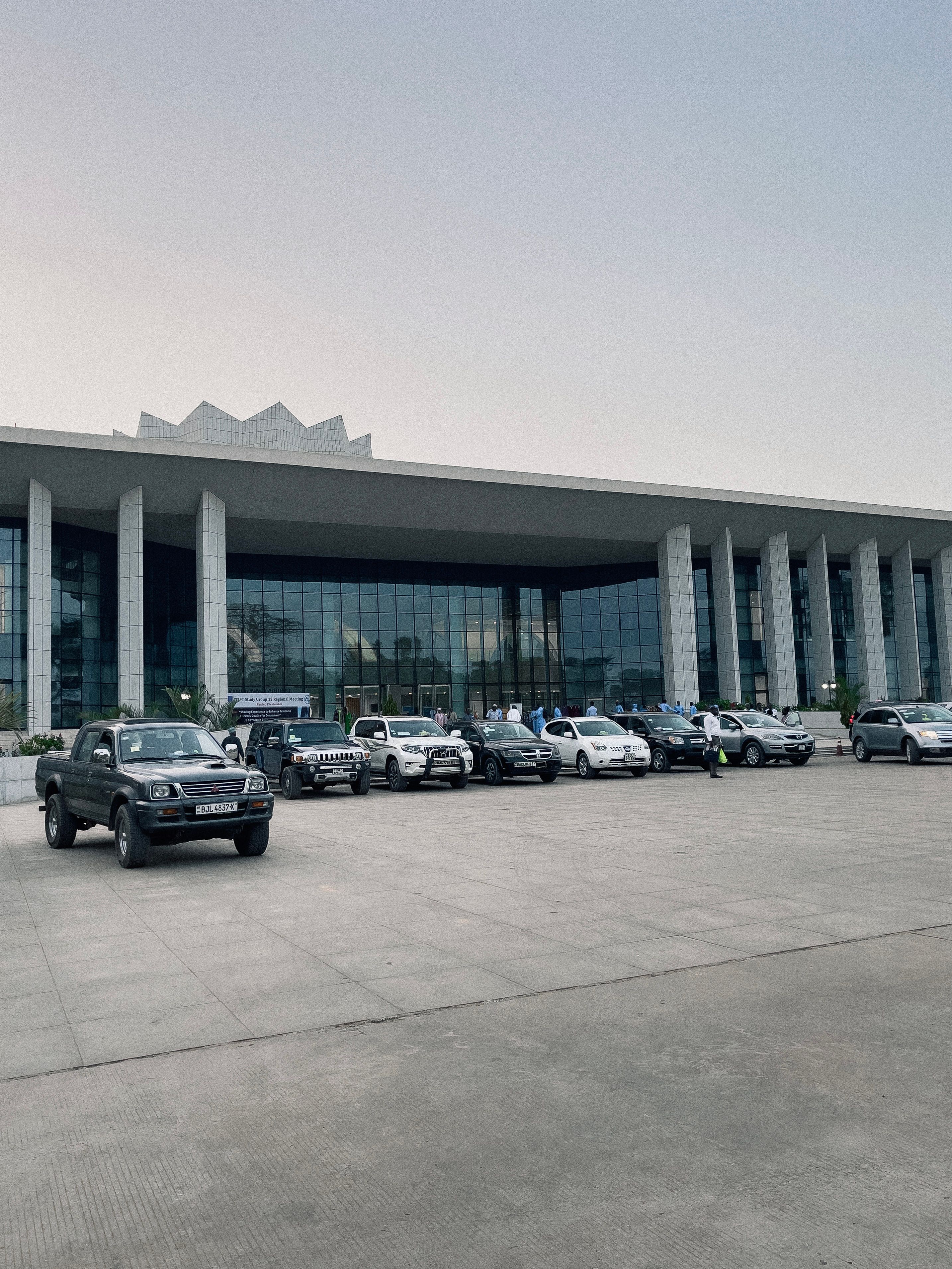
The three-day forum, which opened Monday under the theme "Transforming Africa's Economies Through Investment, Innovation, and Inclusion," convenes African finance ministers, central bank governors, and the IMF and World Bank Group around a single question: how to convert the continent's resource wealth into jobs. Presiding over the opening, President Adama Barrow told delegates from Kerr Fatou that "governments in Africa cannot achieve this alone," framing unemployment, weak infrastructure, and financing shortfalls as the core obstacles. The speaker roster sharpens that message — alongside Dangote sit African Development Bank President Dr. Sidi Ould Tah, AU Commission Deputy Chairperson Selma Malika Haddadi, and World Bank regional director Nathan Belete, joined by Gambian industrialist Moustapha Njie of Taf Group. Dangote's own thesis is consistent and pointed: he has repeatedly argued from Tribune that it is "cheaper to import goods from Spain than to transport cement clinker from Nigeria to neighbouring Ghana" — a diagnosis of the intra-African trade friction that keeps small economies like The Gambia dependent on imports.
For Gambian businesses, the significance is less about the ceremony than the shortlist of who is now watching. A credible turn hosting continental capital is exactly the signal Finance Minister Seedy Keita has pitched — presenting The Gambia as "a credible investment destination." But attention is not capital. Dangote's recent moves, including a $900 million integrated power-and-fertiliser bet in Tanzania, show his money follows scale, energy access, and logistics corridors — precisely the areas where The Gambia's small market and infrastructure gaps make the case hardest. The opportunity for local enterprise is to meet that gaze prepared: bankable projects, clarified land and regulatory terms, and regional supply-chain roles that a pan-African conglomerate can actually plug into. The Caucus gives The Gambia the room; converting a handshake in Banjul into a factory in Kombo remains the harder, domestic work.
Gallery

Further viewing & sources
Did this land?
React & rate
More by
The Oracle
Reader reviews
Reader reviews
0 reviewsSign in to leave a review.
No reader reviews yet. Be the first.