Faraba Banta sits inland from the coast, in Kombo East, and most people who pass through it never stop long enough to notice. That is a shame. The town has one of the more interesting town histories in the West Coast Region, and a mix of oral tradition, farmland and quiet civic life that rewards a slower look. Here are ten things worth knowing.
1. The name carries a meaning
Elders trace "Faraba" to Mandinka roots tied to the founders who first cleared the land. "Banta" distinguishes it from the neighbouring Faraba Sutu — a common Gambian pattern where a settlement grows and a sister village takes on a paired name.
2. It was founded by farmers, not traders
Unlike the river-mouth towns that grew on trade, Faraba grew on groundnut and rice. The rhythm of the town — early starts, long afternoons, market on set days — still follows that agricultural clock.
3. The founding families are still here
Oral history in Faraba is unusually well preserved. Ask a griot at a naming ceremony and you will hear a lineage that runs cleanly back several generations, tying present-day compounds to the original settlers.
4. It sits on a quiet fault line of Gambian politics
Faraba drew national attention in 2018 after protests over sand mining on nearby farmland. The events are painful local memory, and they also mark the town as a place where community land rights were defended in public, on the record.
5. The mosque is the centre, but not the only centre
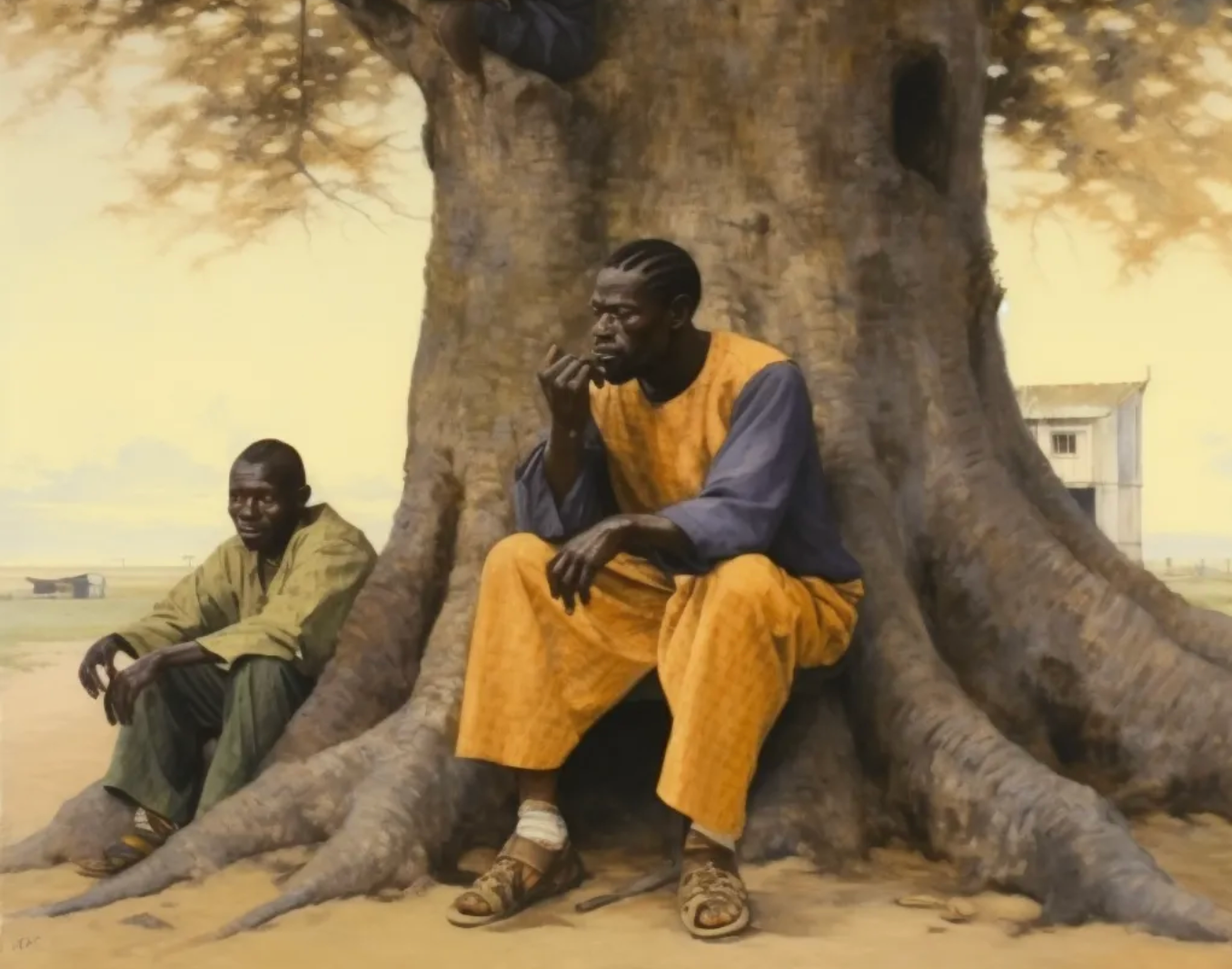
Friday prayers pull the town together, but the bantaba — the meeting tree where elders sit — is where day-to-day decisions get talked through. Both matter. Neither works without the other.
6. Rice fields shape the calendar
Women farmers in Faraba run some of the most productive rice plots in Kombo East. The planting and harvest weeks reshape everything: school attendance, market days, even wedding dates.
7. The bush around Faraba is not empty
What looks like scrub to a visitor is a working landscape — firewood, medicinal plants, grazing routes, sacred groves. Guides from the town can point out things a map will never show you.
8. Education is a local project
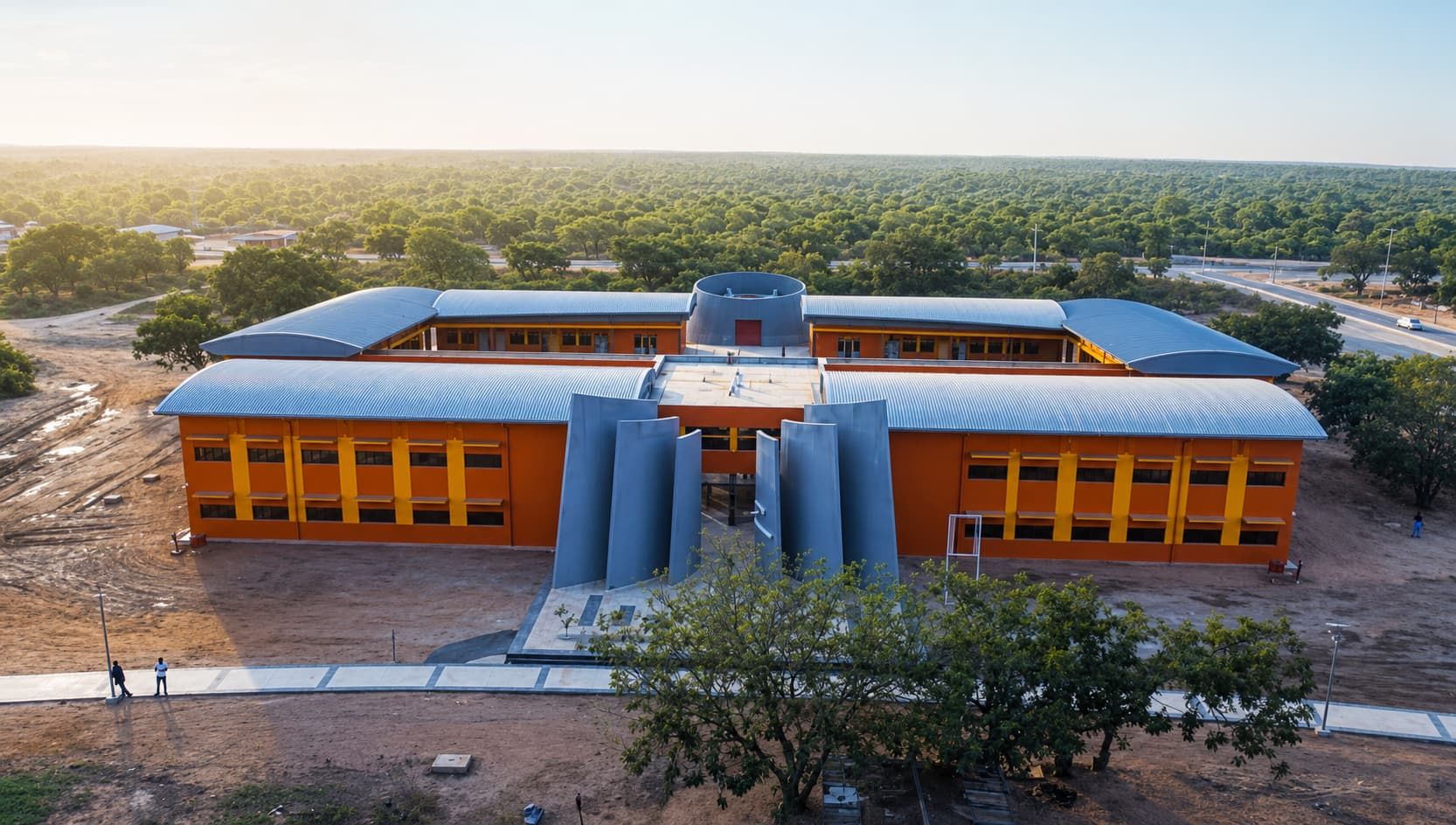
The primary and lower-basic schools are staffed largely by teachers with roots in the town or nearby villages. Alumni networks in Serekunda and Banjul quietly send money back for supplies and small building projects.
9. Music travels in and out
Kora players and drummers from Faraba turn up at ceremonies across Kombo. In return, styles from Brikama and Serekunda filter in — you can hear the mix at any wedding.
10. It rewards a return visit
One afternoon in Faraba shows you the market, the mosque, and maybe the bantaba. A second visit is when you meet people. A third is when the town starts telling you its actual stories.
If you are working on Gambian culture, history or heritage and want to contribute a town guide of your own — Sanyang, Brikama, Basse, Janjanbureh — the DD+ Journal is open to pitches.
Gallery


Did this land?
React & rate
More by
Gando Bah
Reader reviews
Reader reviews
0 reviewsSign in to leave a review.
No reader reviews yet. Be the first.