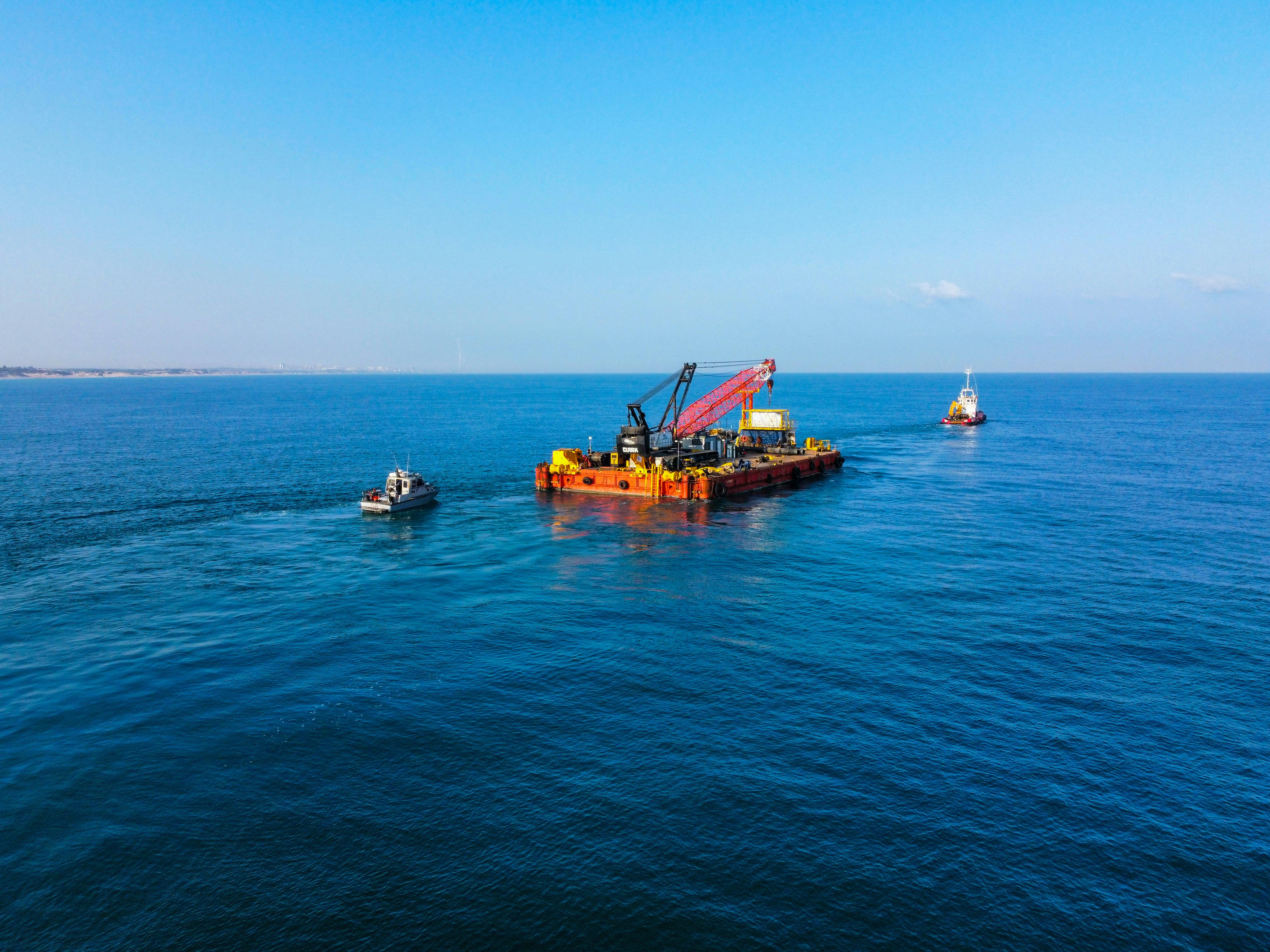
Geopolitical rivalries and localized security crises are actively paralyzing the deployment of the critical subsea internet cables that transmit the bulk of the world's data.
In the Middle East, submarine network projects traversing the Gulf and the Strait of Hormuz are "delayed indefinitely" from FT Africa due to ongoing threats, despite a recent US-Iran ceasefire, while cable-laying in the Red Sea remains on pause. Simultaneously, the U.S. State Department revoked the diplomatic visas of three Chilean officials for evaluating a $500-million undersea cable proposal from state-owned China Mobile. The U.S. justified the sanctions under the Donroe Doctrine, a foreign policy stance declaring Washington "will no longer permit" from Rest of World foreign adversaries to use commerce to influence strategic regional infrastructure.
The physical backbone of the internet has become a central battleground for superpower rivalries. In South America, digital connectivity is heavily reliant on a handful of U.S. tech giants—such as Alphabet, Meta, and Amazon—that increasingly dominate the modern undersea cable market. Chile’s attempt to assess the China Mobile proposal was intended to establish the first direct Latin America-to-Asia link and diversify the country's networks against potential communication outages. Following the U.S. visa cancellations, the South American nation remains dependent on Google’s 14,800-kilometer Humboldt cable to Australia, which is not expected to be operational until 2027. A prior 2019 proposal from Huawei to connect Chile to Shanghai was similarly shelved under direct American pressure.
For the Middle East, enduring infrastructure freezes threaten broad regional aspirations to become a primary hub for artificial intelligence and cloud computing. The physical blockages "risk denting confidence in the region as a destination for digital investment," from FT Africa, directly complicating campaigns by local governments to diversify their economies beyond oil extraction. By cornering the telecommunications market and enforcing foreign policy directives via hardware, the world's major powers have made developing nations' technological ambitions strictly subordinate to international security disputes.
Read the full story →FT AfricaFurther viewing & sources
Did this land?
React & rate
More by
The Oracle
Reader reviews
Reader reviews
0 reviewsSign in to leave a review.
No reader reviews yet. Be the first.